


CrossGrams - PvP Puzzle Game
4.974.00 Reviews
App Specs
- Version
- 1.1.25159
- Updated On
- License
- Free
- Downloads
- 10,000+
- Developer
- FunCraft Games
- Categories
- Trivia
- Platform
- Android
Screenshots
 Analysis by AppCompare
Reading a live word puzzle is not the same as solving one at your own pace. In CrossGrams, the pressure comes from trying to place words while another player is working toward the same finish, so the central question for me is not only whether the puzzle is fun, but whether its presentation suits the way you read, tap and play. That makes this trivia game an interesting choice for word fans who enjoy a little friendly rivalry, though it is not automatically the best fit for every player or every setting.
How the head-to-head format feels in practice
I find the head-to-head format works best when I treat each round as a quick focus exercise rather than a test of vocabulary alone: reading the letters, spotting a possible word and placing it all have to happen under pressure. Before starting, I’d make sure I have a few uninterrupted minutes and a comfortable way to tap; that small choice can make the contest feel engaging instead of rushed.
Readability and navigation
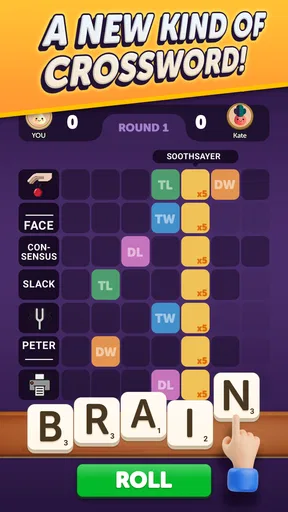
The game’s clean, restrained presentation helps keep attention on the scrambled letters and crossword grid rather than on decorative clutter. I found that useful in a timed match: the less I have to scan around the screen, the more attention I can give to spotting a word and deciding where it belongs. The interface is described as intuitive, with straightforward ways to start playing, view leaderboards and adjust settings, which should make the basic route through the game easier to learn.
That simple layout is a practical advantage, but it does not remove the mental load of a competitive round. A player has to read the available letters, think of possible words and connect them to the grid while keeping an eye on the other person’s progress. I would expect beginners to benefit from trying a few rounds without worrying about winning immediately. Familiarity with the puzzle rhythm can matter as much as a broad vocabulary when the pace picks up.
It is also worth thinking about how you normally solve crosswords. If you like to pause over a clue, pencil in tentative answers and return later, this is a different kind of experience. The appeal is the quick decision, not a quiet, open-ended solving session. I would choose a conventional crossword app when I want time to think; I would choose this one when I want the extra spark of a rival moving alongside me.
Motor and sensory considerations
Word formation depends on interacting with letters on screen, so the speed of your taps and the precision of your movements become part of the challenge. That can feel satisfying for someone comfortable with quick touchscreen input, but it may be tiring for a player who needs more time to select items or finds rapid repeated taps uncomfortable. The game’s competitive structure makes that difference more noticeable than it would be in a puzzle with no opponent.
The uncluttered visuals and subtle sound effects are sensible choices for a game built around reading and concentration. Sound is not described as dominating the match, which suits players who prefer a quieter presentation. Still, a clean look is not the same thing as a guarantee that every screen will work equally well for every person. If you rely on particular text sizing, contrast or input options, check the controls and presentation on your own device before settling in for longer sessions.
Worth Reading Before You Choose

Flipboard Shows What News Apps Must Do Beyond the Feed

Switching to Android Auto Means Rethinking Your Driving Routine

Google Calendar Makes a Crowded Week Easier to Manage

Ludo King Makes the Most of the Minutes Between Plans

Baby Panda World Brings Quick Play to Modern Phones, but Its Game Library Feels Busy

ESPN’s Live Game View Makes Following Close Games Easier
I also recommend treating sound as optional support rather than something to depend on. The puzzle itself is about interpreting letters and filling a grid, and the most important information should be followed visually. In a noisy place, a quiet setting or a shared room, being able to focus without turning up effects can make a short round more comfortable. If you prefer a more sensory, animated game, the restrained style may instead feel a little plain.
Situational access: when a quick match fits
A short competitive puzzle can fit into a break between tasks, a quiet wait or a relaxed evening when you have enough attention to follow a live round. It is less suited to moments when you may need to stop without warning. A real-time contest asks you to stay present, so beginning one while walking, handling another task or keeping an eye on something important is a poor trade: the distraction can spoil your own play and make the match less fair to the other person.
For a realistic routine, I would save it for a seated break rather than trying to squeeze in a round while moving between places. That gives you a stable screen, a little space to concentrate and fewer interruptions. If you only have a few seconds free, a solo word puzzle that can be paused is a safer choice. The distinction is not about one format being better in every case; it is about matching the game’s head-to-head pace to the time and attention you actually have.
What the competitive twist changes
Compared with a standard crossword, the live opponent gives each answer a sense of urgency. Compared with a word-search or a relaxed anagram game, the grid adds a placement problem: recognizing a word is only part of the job, because it also has to fit the puzzle. That combination gives the game a particular rhythm, and it is the reason I would recommend it to someone who enjoys both vocabulary challenges and direct competition rather than to someone looking only for a calm brain teaser.
The social side can make a match feel less anonymous. The game includes chat around matches, which can give players a way to exchange a few words before or after competing. I would keep expectations measured, though: chat is an added social layer, not a reason to assume every opponent wants extended conversation. A brief, friendly interaction can add warmth, while players who would rather avoid social contact may prefer to focus on the puzzle itself.
FunCraft Games is the developer behind this trivia title. It is free to download, with optional in-app purchases listed from $0.99 to $49.99 per item. I would start without spending and first decide whether the core race is enjoyable on its own. That is especially useful in a competitive game, where the value of any optional purchase depends on what it actually changes for your own play rather than on the excitement of a match.
Who is likely to enjoy it—and who may not
I can see this being a good fit for people who already like anagrams or crosswords and want a faster, more social alternative to solving alone. It may also suit friends who enjoy comparing vocabulary under pressure, provided both are comfortable with the same quick pace. Players who prefer unhurried puzzles, dislike racing another person or want to play without touchscreen dexterity being relevant may be happier with a traditional crossword or a solo word game.
There is a useful way to approach the learning curve: focus first on accuracy, then let speed develop with familiarity. Trying to rush before you understand how the scrambled letters connect to the grid can lead to needless pressure. If a match feels frantic, a break or a less competitive word game may be more enjoyable than forcing another round. For people who like a challenge but do not enjoy being hurried, that is an important distinction rather than a minor preference.
Remaining barriers and practical details
The game is rated for Everyone, and it has an average rating of 4.8 from 287 ratings, alongside 32 written reviews. It has reached 10K+ installs, is free to play, and was released on Mar 4, 2026. Version 1.1.25159 is the current version, and the stated minimum operating system is 7.0. These details help set expectations about availability, but they do not change the main practical question: whether fast reading, quick input and live competition suit you.
Challenges and tournaments provide alternatives to ordinary matches, while rewards are part of that broader play loop. That can help keep a regular player interested, but it may also make the experience feel more goal-driven than a simple crossword. If you want to play only for the pleasure of solving, the extra competitive structure may be unnecessary. If goals help you return to a game, those activities could be a welcome reason to vary your routine.
One limitation I would keep in mind is that the most exciting part—the race—is also the part that makes pausing or playing amid distractions less convenient. Another is that fast touchscreen interaction can put some players at a disadvantage unrelated to word knowledge. I would not treat a win or loss as a clean measure of vocabulary; attention, device handling and comfort with pressure also shape the result.
My inclusive verdict
CrossGrams offers a focused take on competitive word puzzles: scrambled letters, a crossword grid and the urgency of another player trying to finish too. I like the clarity of that central idea and the restrained visual and audio presentation. Its best audience is someone who wants a brief, active word challenge and is comfortable reading and tapping at speed. Someone looking for adjustable pacing, a fully solitary experience or a puzzle they can leave and resume casually should consider a different kind of word game.
As a trivia game from FunCraft Games, it has a 4.8 average and a free starting point, with optional purchases to weigh only if they matter to your own experience. My recommendation is to try it in a calm, seated moment and judge the pace for yourself. If the live contest makes familiar wordplay more engaging, it has a clear place in your rotation; if it makes solving feel stressful, choosing a slower crossword is a perfectly sensible alternative.
Getting Started
Downloading CrossGrams is a breeze. Once you’ve got it installed, the user interface is pretty intuitive. You’re greeted with a simple menu that lets you jump straight into a game, check out leaderboards, or tweak some settings. I appreciate how easy it is to navigate, especially for newcomers who might be diving into the world of competitive puzzle games for the first time.
Gameplay Mechanics
The mechanics are straightforward but challenging. Each match has you facing off against another player in a race to complete the crossword. You’ll be presented with scrambled letters at the bottom of the screen, which you need to rearrange to form words that fit into the grid above. Sounds simple, right? Well, when you’re racing against the clock and a live opponent, it’s anything but.
I found the game to be an excellent mental workout. It’s all about speed and vocabulary. If you’re someone who loves the thrill of a quick decision-making process under pressure, this game will keep you on your toes. The satisfaction of completing a puzzle just seconds before your opponent is hard to beat.
Graphics and Sound
The game boasts clean and crisp graphics that are easy on the eyes. I’m a fan of the minimalist design because it keeps the focus on the puzzles themselves without any unnecessary distractions. The sound effects are subtle but effective. They add to the tension of the game without being overwhelming, which is a balance that’s often hard to strike in mobile games.
Community and Interaction
One of the standout features of CrossGrams is its active community. The game has a chat feature that allows you to interact with opponents before and after matches. This is a fantastic way to make new friends or engage in some friendly banter with rivals. It’s these little touches that make the game feel more alive and engaging.
Challenges and Rewards
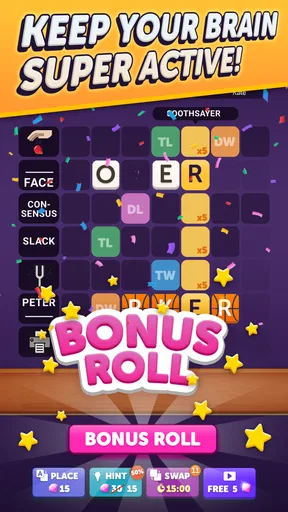
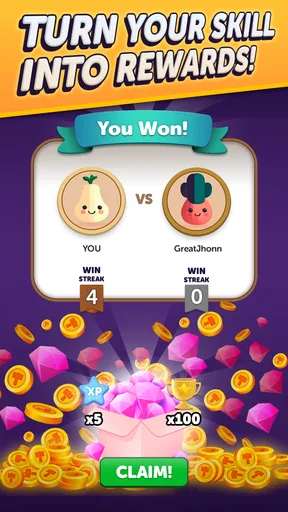
Aside from the standard matches, the game offers various challenges and tournaments that keep things fresh. Participating in these not only tests your skills but also offers rewards that can be used to unlock new features or customize your gaming experience. I found these challenges to be a great way to break the monotony of regular matches and a good opportunity to earn extra in-game currency.
Final Thoughts
Overall, CrossGrams is a delightful twist on the classic word puzzle genre. It combines the best elements of fast-paced competition with the mental challenge of a crossword. Whether you’re a seasoned wordsmith or a casual gamer looking for a fun way to pass the time, this app is worth checking out.
I’ve enjoyed every minute of word unscrambling and racing against other players. The game strikes a perfect balance between being challenging and accessible, making it a great choice for anyone who loves puzzles and competition. So, if you’re ready to put your vocabulary skills to the test, CrossGrams awaits!
Pros
- Challenging levels that stimulate critical thinking.
- Engaging multiplayer mode for real-time competition.
- User-friendly interface for smooth navigation.
- Regular updates with new puzzles and features.
- Offline mode available for uninterrupted play.
Cons
- Ads can be intrusive during gameplay.
- Limited hints available without in-app purchases.
- Some puzzles may feel repetitive over time.
- Requires stable internet for multiplayer features.
- Initial learning curve for new players.
FAQs for CrossGrams - PvP Puzzle Game
What is CrossGrams - PvP Puzzle Game?
CrossGrams is an interactive puzzle game that combines elements of crosswords and anagrams. Designed for both casual and competitive players, it offers PvP (player versus player) modes where you can challenge friends or random opponents. The game provides a unique twist on traditional word puzzles, ensuring a fresh experience every time.
How do the PvP features in CrossGrams work?
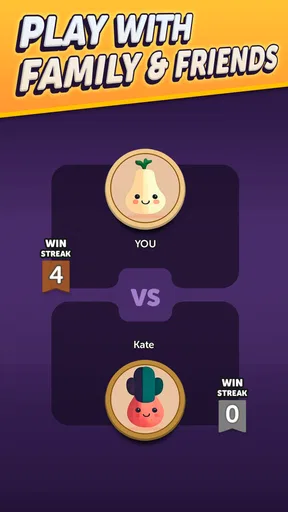
In CrossGrams, the PvP mode allows players to compete against each other in real-time word puzzle challenges. You can either invite friends to a match or get paired with opponents globally. The game tracks your wins and losses, offering leaderboards and rankings to boost competitiveness and engagement.
Is CrossGrams suitable for all age groups?
Yes, CrossGrams is designed for players of all ages. The puzzles vary in difficulty, making it accessible for younger players while still challenging for adults. The user-friendly interface and lack of inappropriate content make it suitable for everyone, from kids to seniors.
Are there in-app purchases in CrossGrams?
CrossGrams offers in-app purchases, which enhance the gaming experience. Players can buy additional hints, themes, and power-ups to aid in solving puzzles. While these purchases can provide advantages, the game remains enjoyable and fully playable without spending any money.
Does CrossGrams require an internet connection to play?
An internet connection is required for PvP modes and to access leaderboards. However, CrossGrams also offers offline play for single-player puzzles, allowing you to enjoy the game without an active connection. This flexibility ensures you can play anytime, anywhere.


